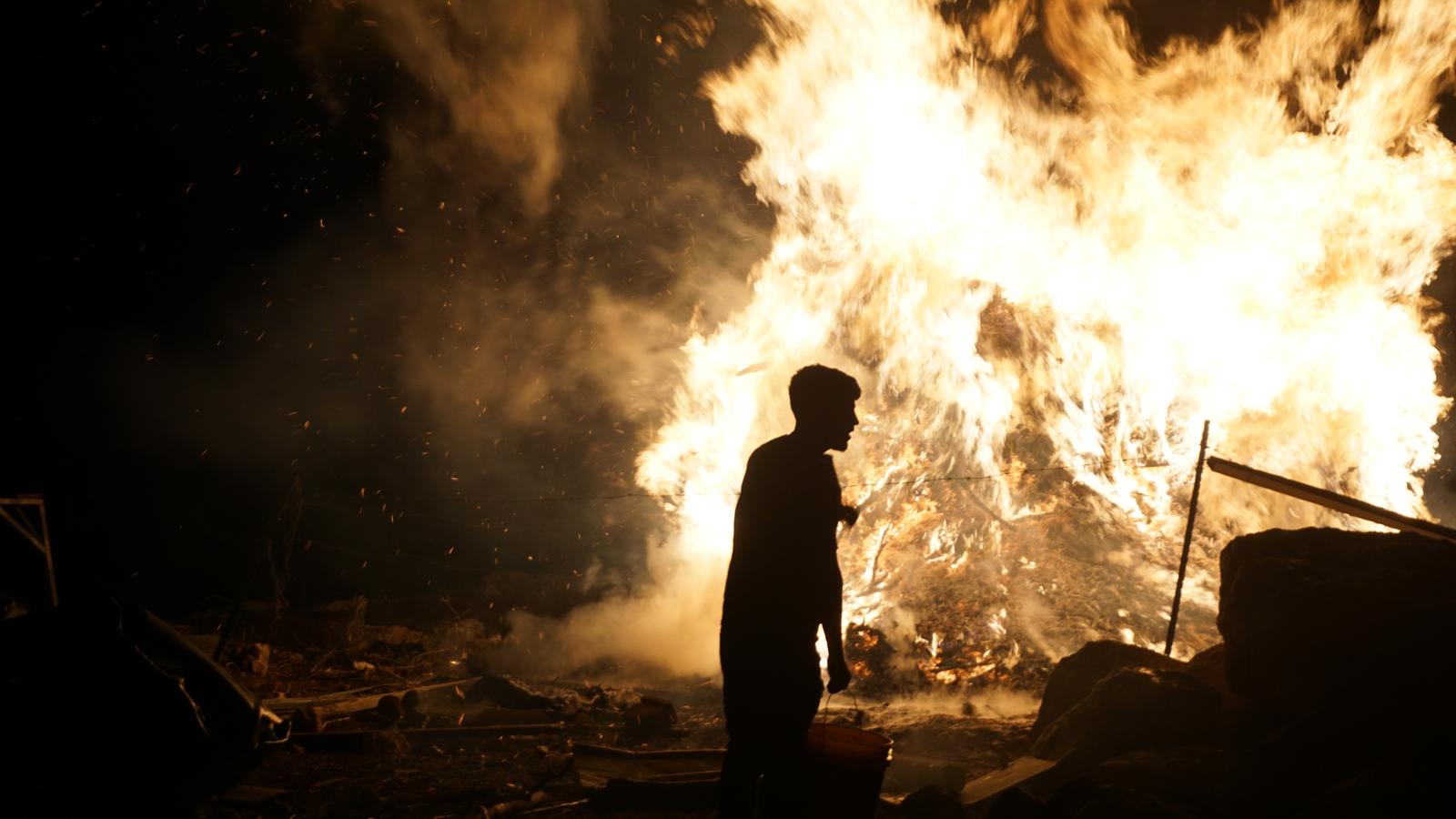
I will start from the moment we received a call from the people of Al-Fakhit and Halawe, two neighbouring villages in the Masafer Yatta region of the West Bank. It was the evening of 27 January. Over the phone, local residents told us there was a settler attack and an army raid taking place in both villages at the same time.
We put down the phone, and immediately jumped into a car. We were over ten people, with six of us in the trunk. The plan was to drive all the way from our home in Tuwani village to Al-Fakhit, and then onto Halawe — a journey which in total takes over half an hour. At that point, we were unaware that we were about to witness 99% of the simultaneous and coordinated attacks.
The moment we approached Al-Fakhit, we were faced with settlers blocking the road. We were afraid of what would happen if they threw stones at our car, especially as we were squeezing against each other so tightly that our faces were stuck directly to the windows.
We managed to cross this blockade by the settlers and reach the village of Al-Fakhit. We looked out over the mountains and it was like a Viking movie: on this mountain there was fire, on that mountain there was smoke. The property of one of the residents in the village had been completely burned.
The day before, Israeli forces had demolished two water cisterns in Al-Fakhit. But for the settlers, it’s not enough for our property to be demolished: they have to burn it to the ground. Arson has become their favourite technique against us.
I recorded the fire on my phone. When I looked to my right, I saw a military car and a police car on the other side of the mountain, watching the flames go crazy and the attack unfold. The people of Al-Fakhit later informed us that the police had claimed there was not enough proof the settlers had started the fire. But who would burn their own house down?
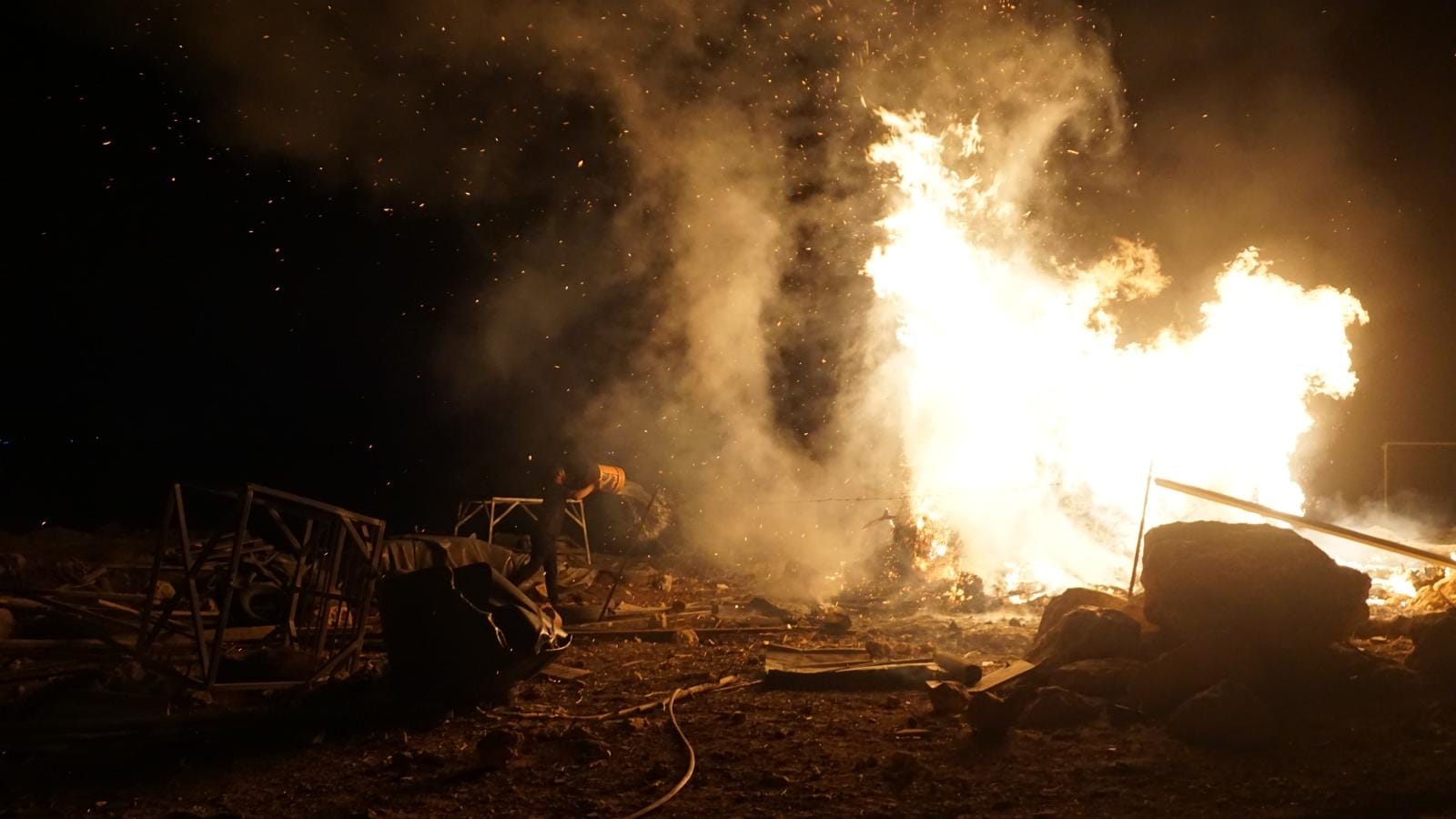
At first, I thought there were no other soldiers and police around, but soon enough we received another call from Halawe, and were told that there were several soldiers present there, aiding the settlers in their attack and also helping them to steal residents’ sheep. The people of Halawe described serious injuries and asked us to call for an ambulance urgently.
When we reached Halawe, we saw a man, whose name was Abu Ayoub, lying down on the ground, having been beaten by the settlers. We saw two women trying to protect their children, trying to protect their family, trying to protect their houses, not to be burned and not to be beaten or killed — their daughters or their sons, or anyone.
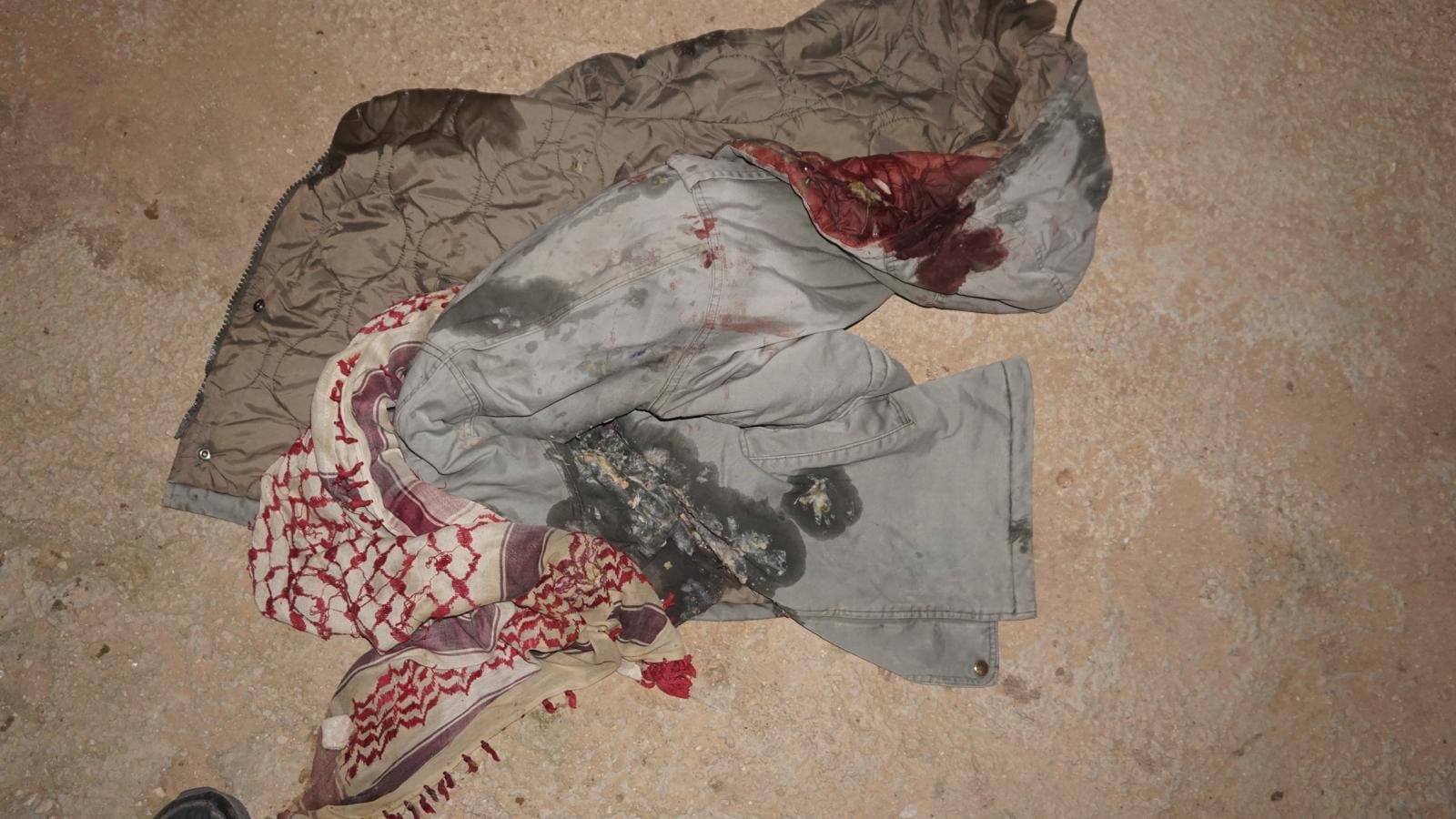
The settlers soon attacked the two women also. They were left lying on the ground until a group of soldiers approached. Instead of detaining or arresting the settlers who inflicted the attack, the soldiers decided to arrest the two women. They helped them up from the ground only to take them off to the military jeeps.
We then decided to move between the villages to check if anything else was happening. The soldiers and settlers were still in the area. One settler approached our car, pointing his gun at us with a green laser lit up on it. We immediately realised from his face that this was the same settler who had shot Sheikh Said in his leg in the nearby village of Rakeez last April. This was the very person because of whom Sheik Said lost his leg. My mind went to imagining him shooting one of us, so I tried to lay down inside the car, under the window, so that if something happened then at least there would be some kind of protection – but of course, that is not really any kind of protection.
I never had nights like this in my mind when I first started picking up my camera: it was one of the worst nights that has happened here in my community of Masafer Yatta.
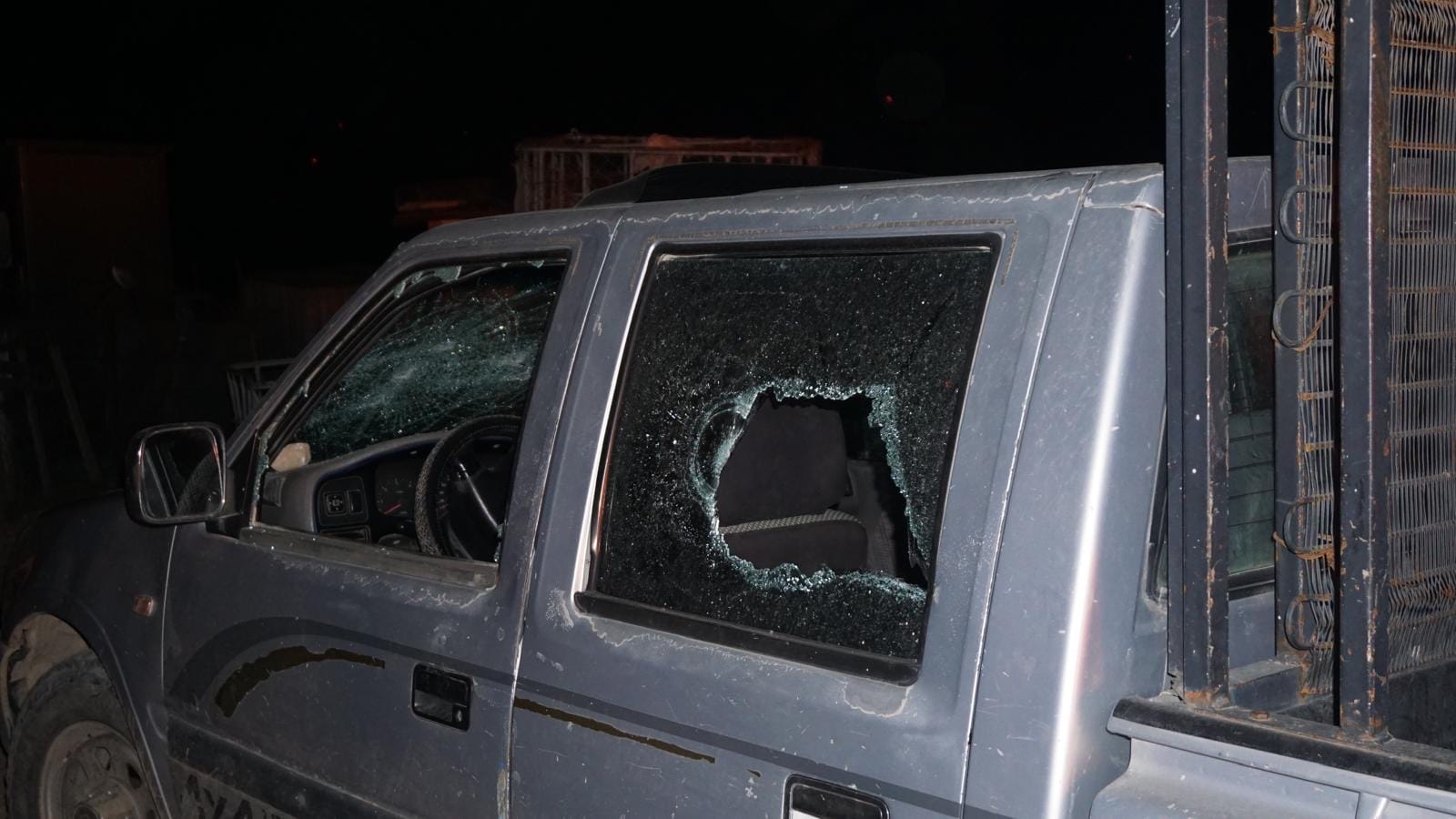
And yet, at the same time, it isn’t something out of the ordinary – just the other day, in the nearby village of Susiya, more than 30 armed settlers committed another large-scale arson attack, throwing explosives at a home containing children inside, and smashing security cameras with stones in order to hide the crime. A truck, three houses, and two cars were left in flames.
We shouldn’t have to be used to it, and we aren’t, but inflicting this kind of violence on us has become business as usual for the Israeli forces and the settlers.
There must be serious action taken against this violence. But who are we addressing these requests to? In this story, the soldiers and the police were watching. These attacks happened in full view of the army and the police. Meanwhile, nothing happened to the settlers in either attack. Palestinians lost their property, their sheep, their cars, everything. They were attacked by the settlers, arrested by the soldiers, and then released 24 hours later. Nothing happened to the settlers: they launched the attack and then they left. They went back to their outposts freely, as if they hadn’t done anything.▼
Author
Mohammad Hesham Huraini is an independent journalist and activist from Masafer Yatta in the West Bank.
Sign up for The Pickle and New, From Vashti.
Stay up to date with Vashti.