VASHTI X SKIN DEEP 4th JULY
Editors Note / Deviance as Divine
And there was evening and there was morning. Refrains the account of creation in Genesis. As the divine presence separates Darkness from Light and calls them Day and Night. Separates Above and Below the Sky, Water is separated from Land, humankind is created Male and Female. As creation is named in these couplets, there is the risk of reading into it binaries.
I remember the first time a love taught me that in naming and creating day and night there was, of course, encapsulated within; dawn, daybreak, midmorning, midday, afternoon, dusk. And, even then, that this named creation is not strings strung up between two ends of spectrums with everything else, pre-created, and encapsulated or implied in between. But, in fact, that the naming of these edges in the account of creation serve, most simply, as edges. As the most limited name-calling so that we might still create and conjure inside them.
It is so that expansiveness, that which cannot be named or defined, that which slips between words or ready recognition, that which evades capture, is handed to us. It is so, that we recognised our trans bodies were made in the divine image. I remember that feeling, of this clicking into place, in particular. Something like - that the creation of dusk was the same as the creation of me. Of us. Implied, conjured, purposefully between.
When I think of deviance I think of Judaism, in this way. I think of first realising that I was borne of a tradition purposed towards seeing such in between-ness, discrepancy, alteriority as divine. Literally. In the most holy image. The holiness is the in-between.
That these lowlands, between the named edges, were the fertile spaces god mapped for insurrection. It was where we were supposed to meet to get alive, to get loved, to get organised, to get rest. And this faith, this inheritance, this practice, was one that sent me to live a life there, in betweens. Even when to do so would be called deviant, would be called betrayal. Judaism told me to do it.
When our comrades at Skin Deep invited us, at Vashti, to curate an activation for their weekend communing on faith, I realised that this was how I had remained faithful - had kept going in a faithless fascist fuck up of a world.
Being an editor is a huge privilege - it is like windows into people through working with them on their words but also windows into the present, collective moment. As a magazine, Vashti works to collect, curate and archive the politics, ideas and culture of the Jewish left, and the left at large. Crucially, we know these are in conversation - they have things to say to each other, they are part of one another. The last few years in particular I have seen, through the windows in this work, everyone wrestling. For Jews, this is a namesake - the religion is named after ‘God-wrestling’. But we have all been wrestling.
Texts hold us when we are wrestling and direct us when we are at a loss for action. This we all know. Judaism in particular, is a culture and religion of oral and textural richness and textural grappling. At Vashti, we are also in lineage with a vast history of DIY and underground publishing, of information distribution through print, of creating and spreading counter narratives, of countering narratives. And it occurs to us, when invited to curate, to activate here, that it is an opportunity to bring us all into creating such a resource together. A resource to spread far and wide, that assists us in choosing deviance, non-compliance, subversiveness, questioning, insurgency. To help keep us faithful to this cause. Without our active commitment to it, we risk complicity and docility.
This activation is the beginning. We have brought together three collaborators, to facilitate us mapping into four themes that are at interplay with deviance - Violence, Embodiment, Traitorism, Solidarity. And to record this mapping. Which will be alive and available to us online at this webpage after the weekend. And then, over time, will be expanded and printed and distributed as a zine.
Together with Zissel, Ma’ayan and Dan we’ve worked to devise these themes and taken the opportunity to bring a Jewish text-based prompt for each. Not, in this case, from liturgy, Torah, prayer, or law, though those indeed have much to stimulate on the themes and on deviance as a whole, but from far and wide expanses of Judaism's rich textural culture - folk lore and spiritual and political life.
As is the privilege and tactic of curation, these excerpts and texts are not inherently purposed towards the themes, but in being placed next to them here, by us, they offer and explode and implode anew. That Jewishness will stimulate our mapping together today, is a deep reaching out of hands, leaps of sharing faith. What a joy.
In this month in the Jewish calendar the story of one of the faith's most iconic images of deviance is recounted. As our ancestors waited at the bottom of a mountain for divine instruction, they became impatient - their collective potential igniting - they turned away from the sky and to each other, and smelted all of their gold into an idol of a cow. Though this act of idol worship is deemed and retold as one of the most heinous contraventions of Jewish law, Rabbis Ariana Katz and Jessica Rosenberg remind in their book For Times Such as These: “we... are all just as much descendants of the people who made the Golden Calf as we are of the rabbis who condemned it”. May we honour those ancestors - what animated, motivated and sustained them.
-- Asha
Embodiment
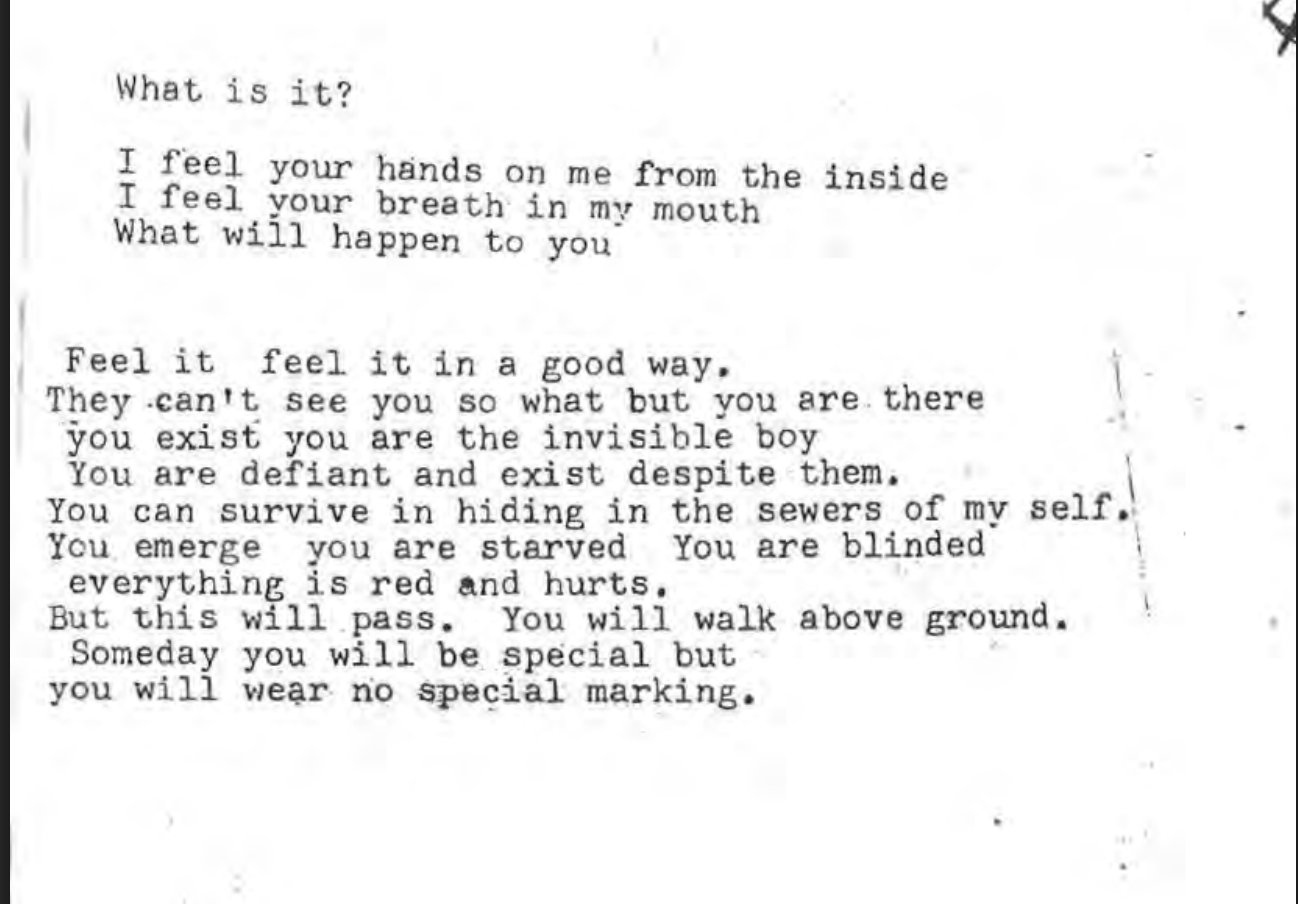
Timtum: A trans Jew zine, Micah Bazant, 1999
(“In the Mishna, a timtum is a person whose sex is not deter- minable·- because clothes conceal the genital areas")
Violence
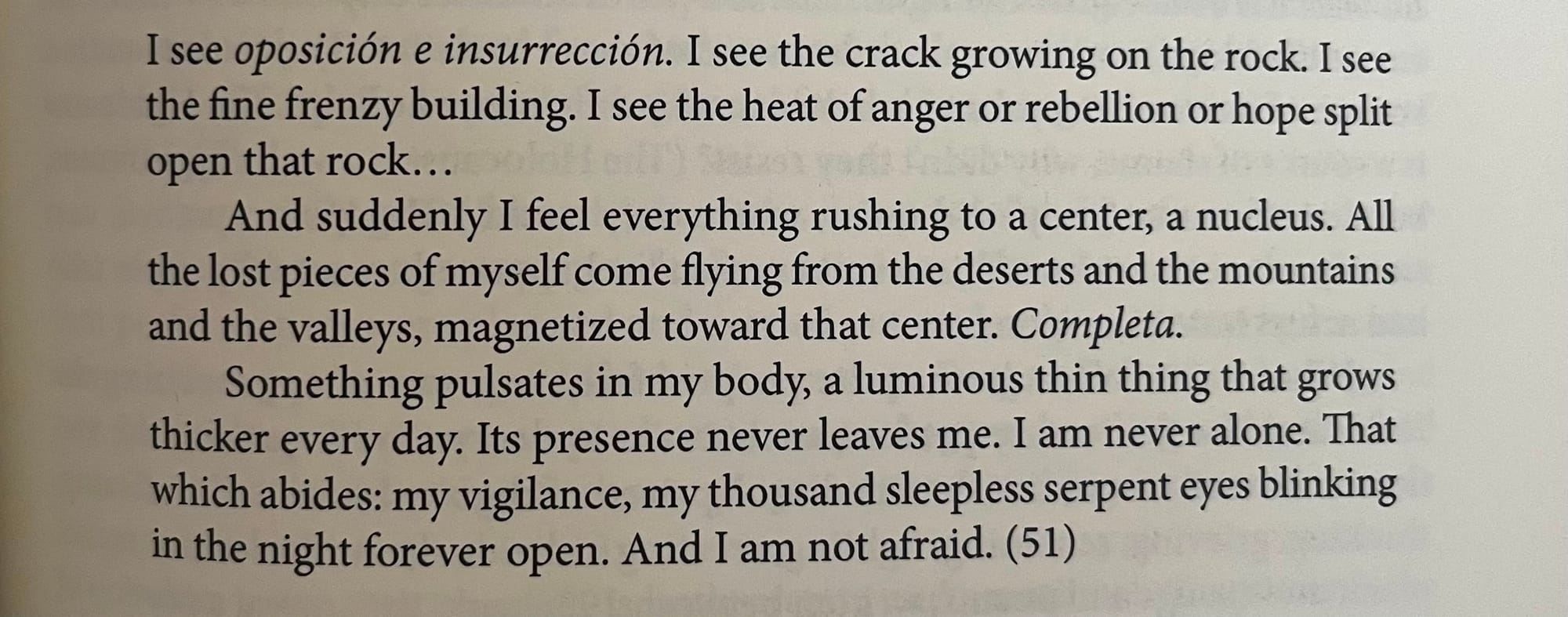
Excerpt from Crossover Dreams: Review of Borderlands/La Frontera by Gloria Anzaldúa (San Francisco: Aunt Lute, 1987), in The Issue is Power: Essays on Women, Jews, Violence and Resistance by Melanie Kaye/Kantrowitz (1992)
Solidarity
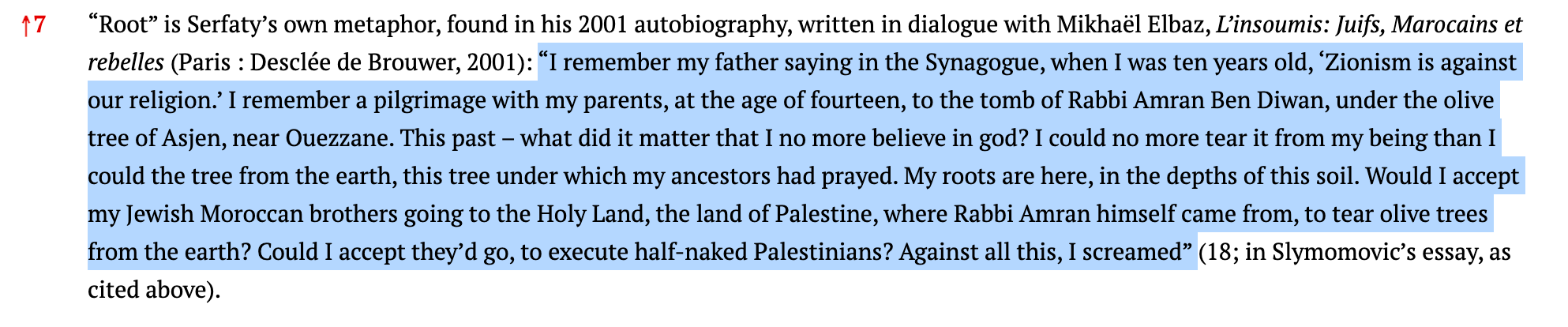
Decidedly Marxist: An Interview with Abraham Serfaty (1992), Viewpoint Magazine
Traitorism
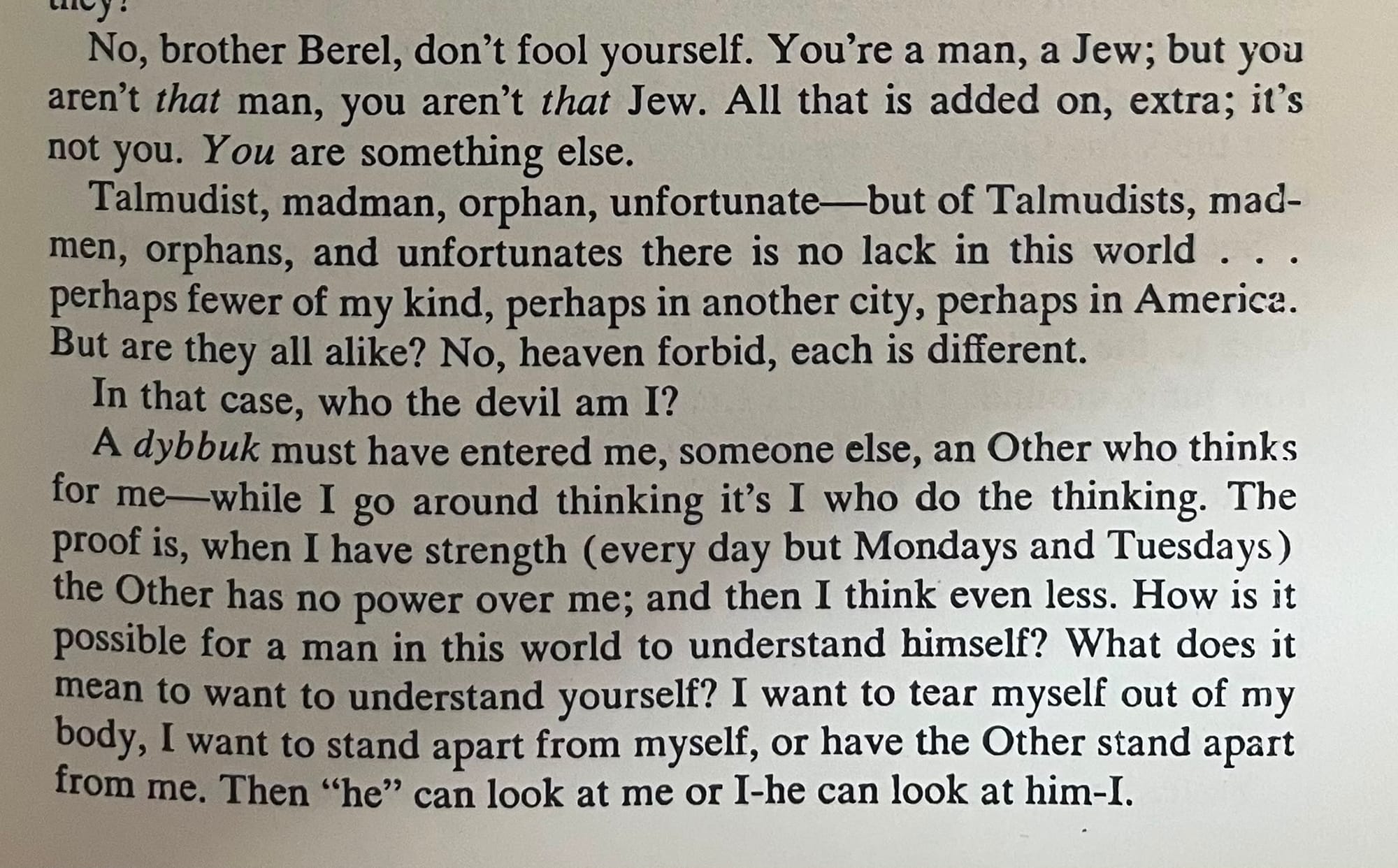
The Mad Talmudist by I.L. Peretz, A Treasury of Yiddish Stories edited by Irving Howe and Eliezer Greenberg (1954)